How I Fixed My Recovery With Simple Food Rules That Actually Work
Recovery isn’t just about rest—what you eat plays a huge role. After constant fatigue and slow healing, I realized my diet was holding me back. Cutting out certain foods and focusing on real, nourishing meals changed everything. This isn’t a strict diet, but a practical way to support your body’s natural repair process. If you’re tired of feeling run down, this approach might be exactly what you’ve been missing. It’s not about counting calories or following the latest trend; it’s about making sustainable choices that honor how your body actually works. What you feed yourself during recovery can either accelerate healing or quietly sabotage it.
The Wake-Up Call: When My Body Couldn’t Keep Up
For years, I believed I was doing everything right. I prioritized sleep, stayed active with regular walks and light strength training, and tried to manage stress through meditation and time outdoors. Yet, I still felt exhausted by mid-afternoon. Simple tasks like carrying groceries or playing with my children left me sore for days. I caught every cold that went around, and even minor injuries—like a twisted ankle—seemed to take forever to heal. At first, I blamed aging or a busy schedule. But deep down, I knew something was off.
The turning point came after a weekend hike that left me bedridden for nearly a week. Muscle stiffness, brain fog, and a nagging cough lingered long after my peers had bounced back. That’s when I started questioning whether my lifestyle choices were truly supporting recovery. I reviewed my habits carefully and noticed a glaring gap: my diet. I ate what I thought was healthy—low-fat yogurt, protein bars, whole grain cereals, and fruit juices—but much of it was packaged, processed, and high in hidden sugars. I wasn’t fueling my body with what it actually needed to repair. The realization hit hard: recovery isn’t just physical; it’s biochemical. And my food choices were working against me.
This moment of clarity led me to dig deeper into how nutrition influences healing. I learned that while rest and movement are crucial, the raw materials for repair come from food. Without the right nutrients, even the most disciplined sleep routine won’t fully restore your energy or strength. My body wasn’t broken—it was undernourished. The fatigue, prolonged soreness, and weakened immunity were signals that my cells weren’t getting what they needed to rebuild. Once I shifted my focus to food as a foundation of recovery, everything began to change.
Why Recovery Starts on Your Plate
Recovery is more than just resting after exertion—it’s a dynamic biological process. Every time your body experiences stress, whether from exercise, illness, or emotional strain, it initiates a repair response. Muscles rebuild, tissues regenerate, and inflammation is carefully managed to prevent damage. These processes don’t happen automatically; they require specific nutrients to function efficiently. Protein provides amino acids for tissue repair, antioxidants neutralize harmful free radicals, and healthy fats support cell membrane integrity. Without these building blocks, the body struggles to heal, leaving you feeling sluggish and vulnerable.
One of the most important mechanisms in recovery is protein synthesis, the process by which your body creates new muscle proteins. This peaks after physical activity but only if adequate protein and supporting nutrients are available. Equally vital is inflammation control. While acute inflammation is a natural part of healing, chronic or excessive inflammation—often fueled by poor diet—can delay recovery and contribute to long-term health issues. Foods rich in omega-3 fatty acids, such as fatty fish and walnuts, help balance the body’s inflammatory response, promoting faster healing without suppressing necessary immune activity.
Gut health also plays a surprisingly central role. A significant portion of your immune system resides in the gut, and a balanced microbiome supports nutrient absorption and reduces systemic inflammation. Fermented foods like yogurt, kefir, and sauerkraut introduce beneficial bacteria that strengthen this internal ecosystem. Meanwhile, hydration and electrolytes—often overlooked—ensure that nutrients are transported efficiently and metabolic waste is cleared. When all these systems work together, recovery becomes smoother and more complete.
Despite this, many people assume that recovery is solved by eating more—especially more protein. While protein is essential, simply increasing intake without considering food quality or overall balance isn’t effective. A protein bar loaded with sugar and artificial ingredients may provide grams of protein on paper, but its inflammatory impact can outweigh any benefit. True recovery nutrition is about quality, timing, and synergy. It’s not about hitting arbitrary numbers, but about giving your body the right tools at the right time.
The Hidden Problem: What Most People Eat During Recovery
Many of us reach for convenience when we’re tired or sore. A protein shake, a granola bar, or a smoothie from a café seems like a healthy choice. But these foods often contain ingredients that hinder recovery more than help it. Processed recovery bars, for example, are frequently loaded with added sugars, hydrogenated oils, and artificial flavors. A single bar can contain as much sugar as a candy bar, spiking blood glucose and triggering an inflammatory response that slows healing. What’s marketed as “recovery fuel” can actually become metabolic stress.
Sugary smoothies are another common pitfall. Blended fruit drinks, especially those made with fruit juices or sweetened yogurts, deliver a rapid surge of fructose. While fruit in whole form is beneficial, concentrated fructose from juices can overwhelm the liver and promote fat storage and inflammation. Pair that with a lack of fiber and protein, and you’ve got a drink that destabilizes energy rather than restoring it. Similarly, fast-digesting carbohydrates like white bread, bagels, or sugary cereals may offer a quick energy boost, but they lead to energy crashes and increased oxidative stress—both of which impair recovery.
Industrial seed oils—such as soybean, corn, and sunflower oil—are another hidden culprit. Found in nearly all packaged and fried foods, these oils are high in omega-6 fatty acids. While some omega-6 is necessary, excessive intake without a balance of omega-3s promotes chronic inflammation. This imbalance is linked to slower tissue repair, joint discomfort, and prolonged muscle soreness. When your post-workout meal is cooked in vegetable oil or comes from a frozen entrée, you may unknowingly be feeding inflammation instead of repair.
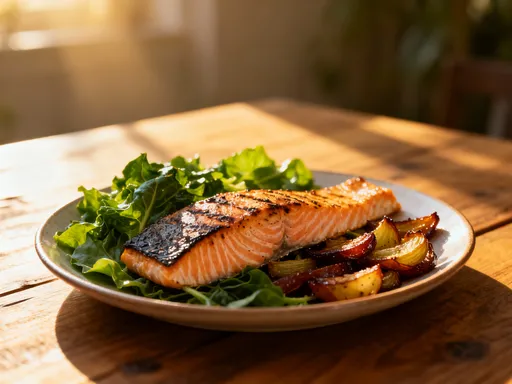
Consider two real-life scenarios. One person eats a fast-food burger and fries after a long walk, followed by a soda. The high sodium, trans fats, and refined carbs trigger fluid retention, oxidative stress, and insulin spikes. They wake up stiff and tired the next day. Another person chooses a home-cooked meal of grilled salmon, sweet potato, and steamed broccoli with olive oil. Their body receives quality protein, complex carbs, antioxidants, and anti-inflammatory fats. They wake up refreshed and energized. The difference isn’t effort—it’s food quality. Recovery isn’t just about what you do; it’s about what you eat afterward.
Cutting Out the Offenders: My Dietary Shifts That Made a Difference
The first step I took was eliminating ultra-processed foods. I started reading labels and was shocked by how many products contained added sugars—even in items like pasta sauce, canned soup, and breakfast cereals. I made a simple rule: if the ingredient list was long or filled with unpronounceable chemicals, I didn’t buy it. This immediately reduced my intake of preservatives, artificial colors, and high-fructose corn syrup. I replaced packaged snacks with whole foods like apples with almond butter, boiled eggs, or a handful of mixed nuts. The change wasn’t drastic, but it was consistent.
Next, I reduced refined grains and fried foods. I swapped white bread for whole grain sourdough, white rice for brown or wild rice, and eliminated fried chicken and French fries from my diet. These changes helped stabilize my blood sugar and reduced bloating and fatigue. I noticed that my energy levels stayed more even throughout the day, and I no longer experienced the mid-afternoon crash. My digestion improved, and I felt lighter and more alert. Reducing fried foods also meant fewer inflammatory omega-6 oils, which likely contributed to less joint stiffness and muscle soreness.
I also made a conscious decision to limit alcohol and avoid late-night eating. I used to enjoy a glass of wine in the evening, but I learned that even moderate alcohol consumption can interfere with deep sleep and liver detoxification—both critical for overnight recovery. I switched to herbal tea or sparkling water with lemon. Similarly, I stopped eating two hours before bedtime. Eating late forces the body to focus on digestion instead of repair during the night, disrupting the natural healing cycle. By giving my digestive system a break, I slept more soundly and woke up feeling more restored.
The results were noticeable within weeks. My energy improved, my recovery time shortened, and I stopped catching every seasonal bug. I no longer needed caffeine to get through the day. My mood stabilized, and I felt more in control of my health. These weren’t miracles—they were the natural outcome of removing foods that worked against my body and making space for healing. The shift wasn’t about deprivation; it was about making room for better choices.
What I Added In: The Foods That Actually Help Repair
Removing harmful foods was only half the battle. I also needed to actively include foods that supported repair. I began prioritizing whole, nutrient-dense options. Every meal became an opportunity to nourish my body. I filled my plate with colorful vegetables—spinach, kale, bell peppers, carrots, and broccoli—rich in vitamins, minerals, and antioxidants. These compounds protect cells from damage and support immune function, making them essential for recovery.
Quality protein became a centerpiece of my diet. I incorporated eggs, Greek yogurt, chicken, turkey, and fatty fish like salmon and sardines. These foods provide complete amino acid profiles needed for muscle repair and enzyme production. Fatty fish, in particular, offer not only protein but also omega-3 fatty acids, which reduce inflammation and support brain health. I aimed to include a source of protein in every meal to keep my body in a state of repair throughout the day.
Healthy fats were another key addition. I started using olive oil for cooking and dressing salads, added avocado to my meals, and snacked on walnuts and almonds. These fats support hormone production, reduce inflammation, and help absorb fat-soluble vitamins like A, D, E, and K. I also included legumes—lentils, chickpeas, and black beans—for plant-based protein and fiber, which support gut health and steady energy release.
Fermented foods became a daily habit. I added plain yogurt, kefir, and sauerkraut to my meals to support a healthy gut microbiome. A balanced gut enhances nutrient absorption and reduces systemic inflammation, both of which are critical for recovery. I didn’t rely on supplements or exotic superfoods. Instead, I focused on a balanced plate: vegetables, protein, healthy fats, and complex carbohydrates. This approach was sustainable, affordable, and effective.
Practical Eating Rules for Everyday Recovery
I developed simple, no-nonsense rules that made healthy eating manageable. First, I committed to cooking at home as much as possible. This gave me control over ingredients and portion sizes. I planned meals in advance and prepped ingredients on weekends, so I wasn’t tempted by convenience foods during busy weekdays. Second, I read labels carefully. If a product had more than five ingredients or included added sugars, I reconsidered buying it. Third, I practiced mindful eating—sitting down to eat, chewing slowly, and paying attention to hunger and fullness cues. This helped me avoid overeating and improved digestion.
A typical day now looks like this: breakfast is scrambled eggs with spinach and tomatoes, plus a slice of whole grain toast with avocado. Lunch is a large salad with grilled chicken, mixed greens, cucumbers, olives, and olive oil dressing. Snacks include Greek yogurt with berries or a small handful of almonds. Dinner features baked salmon, roasted sweet potatoes, and steamed broccoli. I drink plenty of water throughout the day and limit sugary beverages. This isn’t a rigid meal plan—it’s a flexible framework that supports recovery without feeling restrictive.
Staying consistent didn’t require perfection. I allowed myself occasional treats, like a piece of dark chocolate or a slice of birthday cake, without guilt. The key was consistency over time, not flawless execution every day. I focused on progress, not perfection. By making small, sustainable changes, I built habits that lasted. I didn’t feel deprived; I felt empowered. Food became a source of strength, not stress.
Beyond the Plate: Lifestyle Habits That Boost Dietary Impact
Nutrition doesn’t work in isolation. Its benefits are amplified by other lifestyle factors. Sleep, for example, is when the body does most of its repair work. I prioritized a consistent bedtime, created a calming evening routine, and kept my bedroom cool and dark. Good sleep enhanced the effects of my clean diet, allowing deeper recovery. Hydration was another pillar. I aimed for at least eight glasses of water daily, more if I was active. Proper hydration supports circulation, nutrient delivery, and toxin removal—all essential for healing.
Stress management also played a role. Chronic stress increases cortisol, which can break down muscle tissue and weaken immunity. I incorporated daily walks, deep breathing, and time in nature to keep stress in check. Even ten minutes of quiet reflection made a difference. Movement, even light activity like stretching or yoga, improved circulation and reduced stiffness. I learned that intense workouts weren’t necessary for recovery—gentle, consistent motion was often more effective.
The synergy between these habits was powerful. Eating well gave me the energy to stay active, which improved my sleep, which in turn supported better food choices. It became a positive cycle. I realized that recovery isn’t about intensity—it’s about consistency. Small, daily choices compound over time. One healthy meal won’t transform your health, but a year of mindful eating will. The same goes for sleep, hydration, and movement. When combined, they create a foundation for lasting vitality.
Recovery isn’t something that happens in isolation—it’s shaped by your daily habits, especially what you eat. By making mindful dietary choices and cutting out foods that work against your body, you create space for real healing. This isn’t about extreme restrictions, but about giving your body the tools it needs to repair itself naturally. When you treat food as fuel for recovery, not just satisfaction, the results speak for themselves. Energy returns, soreness fades, and resilience grows. It’s not a quick fix—it’s a lasting change. And it starts with what’s on your plate.