How Massage and Movement Changed My Recovery Game
Recovery isn’t just about rest—what if you could speed it up naturally? After months of stiffness and slow healing, I discovered how combining massage therapy with a smart exercise program transformed my rehabilitation. It wasn’t magic, just science-backed moves and hands-on relief that worked. This guide shares exactly what helped me, why it matters, and how you can safely try it—always alongside professional care. Healing is not a passive process; it’s an active journey that thrives on the right kind of movement, touch, and timing. For many, especially women managing household responsibilities while healing from injury or surgery, the idea of adding more to the daily routine may seem overwhelming. But what if the key to faster recovery wasn’t in doing more—but in doing smarter?
The Hidden Struggle Behind Recovery
Many people believe that healing means staying still—keeping the injured area immobilized and avoiding activity until pain fades. While rest is important in the early stages, prolonged inactivity can actually delay recovery. Muscle stiffness, joint tightness, and poor circulation often become silent barriers to progress. For women in their 30s to 50s, who may be juggling caregiving, work, and household duties, the pressure to “get back to normal” quickly can lead to frustration when healing doesn’t follow a predictable timeline. The reality is that recovery is rarely linear. Small setbacks, lingering discomfort, and fear of reinjury are common, yet rarely discussed.
One of the biggest misconceptions about rehabilitation is that pain equals progress. This is not always true. Pushing too hard too soon can cause microtrauma, inflammation, and setbacks that extend recovery time. On the other hand, doing too little can lead to muscle atrophy, reduced joint mobility, and compensatory movement patterns that create new problems. The body needs a balanced approach—one that supports tissue repair without overloading healing structures. This is where active recovery comes in. Unlike passive rest, active recovery involves gentle, intentional movement and therapeutic touch that stimulate circulation, reduce stiffness, and support the body’s natural healing mechanisms.
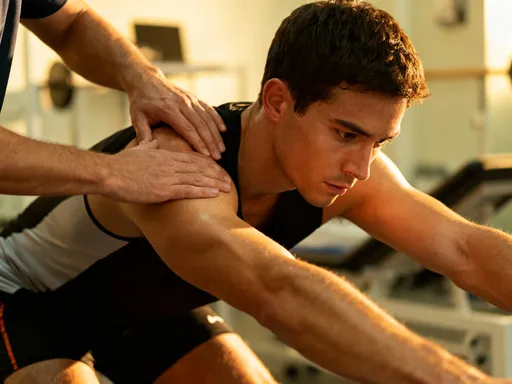
Consider the experience of someone recovering from a shoulder injury. Without movement, the joint may heal, but scar tissue can form, limiting range of motion. Daily activities like reaching for a shelf or lifting a child become difficult. Massage and targeted movement, however, can help remodel that scar tissue, maintain joint glide, and retrain the muscles to function properly. The shift from passive waiting to active participation empowers individuals to take control of their healing process. It’s not about rushing recovery but about working with the body’s biology to create better outcomes.
Why Massage Therapy Works in Rehab
Massage therapy is often associated with relaxation and stress relief, but its role in rehabilitation is far more functional. When applied correctly, manual therapy can influence the physiological processes of healing. One of the primary benefits is improved blood circulation. Enhanced blood flow delivers oxygen and nutrients to damaged tissues while helping remove metabolic waste products that contribute to soreness and fatigue. This creates a more favorable environment for tissue repair and reduces the duration of inflammation, a necessary but sometimes prolonged phase of healing.
Different massage techniques serve specific purposes in recovery. Effleurage, characterized by long, gliding strokes, helps warm up tissues and promote fluid movement. Petrissage, which involves kneading and lifting muscles, targets deeper layers to release tension and improve muscle elasticity. Trigger point therapy focuses on hyperirritable spots within muscle bands that can refer pain to other areas. For example, a trigger point in the upper back may cause discomfort in the neck or arm. Releasing these points can provide immediate relief and improve movement efficiency.
Scar tissue formation is another challenge in recovery, especially after surgery or deep tissue injury. While scar tissue is a natural part of healing, it can become dense and restrictive if not properly managed. Massage helps remodel collagen fibers, aligning them in the direction of normal tissue movement. This increases flexibility and reduces the risk of re-injury. Studies have shown that manual therapy, when used as part of a structured rehab program, can improve outcomes in conditions like tendonitis, muscle strains, and post-surgical recovery.
It’s important to note that massage in rehabilitation is not the same as a spa treatment. Clinical massage is goal-oriented, often focused on specific muscles or movement patterns. A licensed massage therapist trained in medical or orthopedic techniques can assess tissue quality and apply the appropriate pressure and technique. For home use, tools like handheld massagers or massage balls can offer some benefits, but they should complement—not replace—professional care. The goal is not just temporary relief but long-term functional improvement.
The Role of Exercise in Healing, Not Harming
Exercise during recovery can sound counterintuitive, especially when pain is present. Many fear that movement will worsen the injury or delay healing. However, the right kind of physical activity is not only safe—it’s essential. Therapeutic exercise supports tissue remodeling, prevents muscle loss, and restores neuromuscular control. The key is choosing the appropriate type, intensity, and timing of movement based on the stage of healing and individual needs.
Low-impact, controlled exercises are the foundation of rehab-focused movement. Range-of-motion drills, such as gentle ankle circles or shoulder rolls, help maintain joint mobility and prevent stiffness. Isometric contractions—where muscles are activated without joint movement—are particularly useful in the early stages. For example, pressing the back of the knee into a towel while lying down engages the quadriceps without bending the knee, making it safe after certain knee surgeries. These exercises stimulate blood flow and maintain muscle tone without placing stress on healing tissues.
As recovery progresses, exercises can become more dynamic. Neuromuscular re-education focuses on retraining the brain-body connection to improve coordination and movement efficiency. This is especially important after injuries that alter gait or posture. For instance, someone recovering from a hip injury may develop a limp, which over time can strain the lower back. Specific exercises that reinforce proper alignment and muscle activation patterns help correct these imbalances before they become chronic.
The principle of progressive loading is central to effective rehab exercise. This means gradually increasing the demand on tissues as they become stronger. Just as a muscle grows stronger with resistance training, healing tendons and ligaments also benefit from controlled stress. However, this must be done within the body’s capacity to adapt. Overloading too soon can lead to flare-ups, while underloading results in stagnation. A physical therapist can guide this process, ensuring that each exercise is appropriate for the current stage of healing. The message is clear: movement is medicine, but it must be prescribed wisely.
Building Your Recovery Routine: Timing and Flow
Integrating massage and movement into a daily routine requires thoughtful planning. The timing and sequence of activities can influence their effectiveness. A well-structured recovery plan aligns with the body’s natural rhythms and healing phases. For most people, beginning the day with gentle movement helps reduce morning stiffness and prepares the body for daily tasks. Evening routines can focus on relaxation and tissue release to support overnight recovery.
In the acute phase—typically the first few days to weeks after injury—the focus should be on reducing inflammation and protecting the injured area. During this time, massage should be light and soothing, avoiding direct pressure on the injury site. Gentle effleurage around the area can encourage fluid drainage and reduce swelling. Movement should be minimal but intentional, such as ankle pumps to prevent blood clots after leg surgery or diaphragmatic breathing to support circulation.
As healing progresses into the subacute phase, deeper massage techniques and more active movement can be introduced. This is when petrissage and trigger point work may help release muscle tension, and range-of-motion exercises can be expanded. A sample routine might include five minutes of self-massage using a foam roller on the calves, followed by ankle circles and heel slides. The key is consistency—short, daily sessions are more effective than infrequent, intense ones.
In the remodeling phase, which can last several weeks to months, the goal shifts to rebuilding strength and function. Massage can target specific muscle groups that have become tight due to compensation. Exercise programs may include resistance bands, bodyweight movements, and balance drills. A typical sequence could start with a 10-minute massage session focusing on the lower back and hips, followed by pelvic tilts, glute bridges, and gentle squats. This combination prepares the body for more demanding activities while minimizing the risk of setbacks.
Coordination with a healthcare provider is essential. A physical therapist can tailor the routine to individual needs, adjusting exercises and massage techniques as progress is made. Keeping a simple journal to track pain levels, mobility improvements, and daily activities can help identify patterns and guide adjustments. The rhythm of recovery is personal—what works for one person may not work for another. The goal is to create a sustainable, flexible routine that supports long-term healing.
Real Techniques You Can Try (Safely)
Self-care tools can be valuable additions to a recovery plan when used correctly. Foam rollers, massage balls, and handheld massagers offer accessible ways to apply pressure and release muscle tension. These tools are especially helpful for targeting large muscle groups like the back, legs, and shoulders. For example, using a foam roller on the quadriceps can help reduce tightness that often develops after knee surgery or prolonged sitting.
To use a foam roller safely, start with light pressure and slow movements. Position the roller under the muscle group and use your arms and opposite leg to control the amount of body weight applied. Roll slowly over the area, pausing on any tender spots for 20 to 30 seconds. Avoid rolling directly over joints or bones. For smaller areas like the feet or shoulders, a tennis ball or lacrosse ball can provide more focused pressure. Placing a ball under the arch of the foot and rolling gently can relieve plantar fascia tightness.
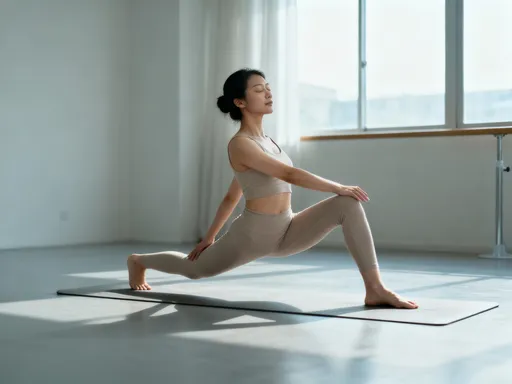
Mobility drills should follow self-massage to take advantage of the increased tissue pliability. Ankle pumps—flexing and pointing the foot—help maintain circulation and joint mobility, especially after lower limb injuries. Shoulder glides, where the arms are moved in small, controlled circles, can prevent stiffness in the upper body. Pelvic tilts, performed while lying on the back with knees bent, engage the core and improve lower back mobility. These movements should be smooth and pain-free, never forced.
Form is critical. Poor technique can lead to compensation or strain on other areas. For example, during a pelvic tilt, the movement should come from the pelvis, not the hips or lower back. Keeping the shoulders relaxed and breathing steadily helps maintain control. Performing each movement for 10 to 15 repetitions, once or twice a day, is usually sufficient. The goal is not to fatigue the muscles but to re-educate them and improve function.
Safety reminders are essential. Never apply deep pressure to an area that is swollen, inflamed, or healing from a recent injury without professional guidance. Avoid using self-massage tools on the neck or spine, as these areas are more vulnerable. If pain increases during or after a session, stop immediately and consult a therapist. These techniques are meant to support recovery, not replace professional treatment.
When to Seek Professional Guidance
While self-care strategies can enhance recovery, they are not a substitute for professional care. Rehabilitation is a complex process that requires individualized assessment and guidance. Licensed physical therapists, occupational therapists, and certified massage therapists have the training to evaluate movement patterns, identify dysfunction, and design safe, effective treatment plans. Working with these professionals ensures that interventions are appropriate for the specific condition and stage of healing.
There are clear signs that indicate the need for professional evaluation. Sharp or shooting pain during movement is not normal and may signal nerve involvement or tissue damage. Swelling that worsens after activity, rather than improving, suggests that the body is still in an inflammatory phase and may need modified treatment. Neurological symptoms such as numbness, tingling, or muscle weakness should never be ignored, as they may indicate nerve compression or other serious conditions.
Other red flags include loss of range of motion over time, inability to bear weight on a limb, or pain that disrupts sleep. If self-care techniques do not lead to improvement within a reasonable timeframe—typically two to three weeks—it’s time to seek help. A healthcare provider can reassess the diagnosis, adjust the treatment plan, or refer to a specialist if needed.
The relationship between patient and therapist is collaborative. Open communication about symptoms, progress, and concerns allows for timely adjustments. It’s okay to ask questions, express discomfort, or request modifications. The goal is to create a supportive, informed recovery journey. Trusting the process and seeking help when needed are signs of strength, not weakness.
Long-Term Healing: From Recovery to Resilience
True recovery goes beyond the absence of pain. It’s about restoring function, building strength, and developing resilience to prevent future injuries. The integration of massage and movement into daily life supports this long-term vision. Habits formed during rehabilitation—like regular stretching, self-massage, and mindful movement—can become part of a sustainable wellness routine. Over time, these practices improve body awareness, posture, and overall physical confidence.
Habit stacking—linking new behaviors to existing routines—can make adoption easier. For example, performing ankle pumps while brushing teeth or using a massage ball on the feet while watching evening television turns recovery into a natural part of the day. Tracking progress, even in simple ways like noting how far you can reach or how long you can stand comfortably, provides motivation and a sense of accomplishment.
Listening to the body is a skill that grows with practice. Not every ache requires alarm, but persistent discomfort should not be ignored. Learning the difference between normal muscle soreness and warning signs of overuse is essential. This awareness allows for timely adjustments—resting when needed, modifying activities, or seeking support—before minor issues become major setbacks.
The journey from injury to resilience is not just physical. It involves patience, self-compassion, and a shift in mindset. Healing takes time, and progress may be slow. But each small step—each gentle stretch, each mindful breath, each session of therapeutic touch—contributes to a stronger, more capable body. With the support of professional care and the power of informed self-care, recovery becomes not just a return to normal, but a transformation into a healthier, more resilient version of oneself.