Why Are You Still Forgetting What Matters Most? This Little App Knows
How often have you missed a medication dose, forgotten a loved one’s check-up, or realized too late you skipped your water break—again? You’re not careless. You’re just human. But what if a simple tap on your phone could gently guide you back, not with robotic alerts, but with warmth and understanding, like a friend who truly gets it? That’s exactly what today’s smart health reminder apps are becoming: not just tools, but thoughtful companions in daily well-being. And if you’ve ever felt overwhelmed by the weight of remembering everything, this is your moment to breathe easier.
The Quiet Crisis of Daily Overload
Let’s be honest—your day doesn’t start with a to-do list. It starts with someone needing breakfast, a work email already pinging, and the quiet voice in your head reminding you that you didn’t get enough sleep. By the time you’ve poured coffee, packed lunches, and answered three family group chats, your own needs have already slipped to the bottom of the pile. And it’s not because you don’t care. It’s because you care so much about everyone else that your own rhythm gets lost in the noise.
I remember the moment it hit me. I was sitting in my car outside my son’s school, tears quietly rolling down my face. I’d forgotten to take my thyroid medication—again. Not because I didn’t value my health, but because I’d been up late helping my daughter with a science project, then woke early to drive my husband to the airport. The doctor’s words echoed: “Consistency matters.” And there I was, failing at something so simple, feeling like I was failing myself. But here’s the truth: we’re not failing. We’re simply carrying too much. Our brains weren’t built to track every pill, every hydration goal, every stretch break while managing a household, a career, and emotional labor no one sees.
That’s the quiet crisis so many of us face—daily overload disguised as normal life. We wear busyness like a badge, but underneath is exhaustion, guilt, and a creeping sense of being behind. And the things that matter most—our health, our peace, our presence—become the easiest to forget. But what if we stopped blaming ourselves and started looking for support? What if the solution wasn’t more willpower, but a little help that fits into the life we already live?
When Technology Feels Like a Real Friend
For years, I avoided health apps. I thought they’d be cold, demanding things—another voice telling me I was behind, another list I couldn’t keep up with. Then a friend handed me her phone and said, “Try this one. It doesn’t yell. It just… shows up.” I downloaded it skeptically. The first thing I noticed? The welcome message said, “Hey, we’re glad you’re here. No pressure—let’s take this one day at a time.” That tone—kind, patient, human—was the beginning of a shift.
This wasn’t an app that screamed at 8 a.m. because I hadn’t logged water. It waited. It learned. When I consistently skipped midday reminders because I was in meetings, it adjusted the timing. When I logged my medication late, it didn’t scold me. It said, “Glad you remembered. Want to move this reminder to lunchtime?” It felt less like a robot and more like someone who’d been in my shoes. And that’s the magic of the best health reminder apps today—they’re designed with empathy, not efficiency.
They use smart patterns to understand your life. If you usually take your vitamins after brushing your teeth, the app can suggest that as a trigger. If you often forget your evening walk when it rains, it might send a cozy nudge: “We know it’s wet out—how about some indoor stretching instead?” These aren’t rigid rules. They’re gentle invitations. And over time, that consistent, judgment-free presence builds trust. You start to think, “Oh, right—my app’s got my back.” It’s not about perfection. It’s about having someone—or something—that shows up for you, every day, without making you feel small.
How a Simple App Transforms Daily Routines
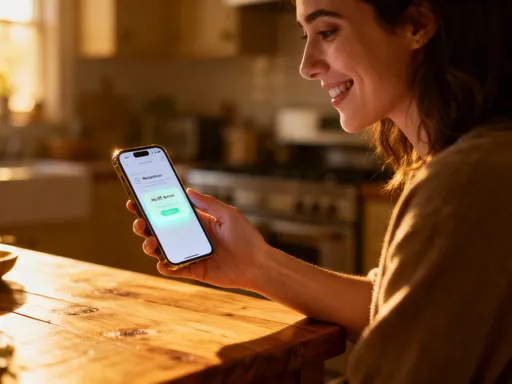
Let’s walk through a day—your day—with this kind of support. Morning light filters in. You’re making toast, checking phones, getting kids ready. Then, a soft chime from your phone: “Morning! Did you take your vitamins with breakfast?” No alarm, no flashing red icon. Just a warm, quiet reminder that blends into the rhythm of your kitchen. You tap “Done,” and it’s logged. No guilt. No scramble. Just a small win before the day even begins.
Later, you’re deep in a work call when your phone buzzes gently. You glance: “Stretch break in 5? Your back will thank you.” You smile. It knows you’ve been sitting for an hour. It’s not demanding—you can snooze it—but the suggestion is there, like a nudge from a coworker who cares. After the call, you stand, roll your shoulders, take three deep breaths. You didn’t have to remember. The app did it for you, at just the right moment.
And in the evening, as you’re winding down, it asks: “Did you take your evening medication? Tap here to log it.” Or, if you’ve linked it to your smart speaker, you can simply say, “Hey, I took my pill,” and it updates automatically. No typing, no fumbling. Just ease. These small moments—hydration alerts when you walk into the kitchen, breathing prompts during stressful hours—add up. They don’t change your life overnight. But over weeks? You start to notice: you’re more consistent. You feel steadier. You’re not fighting memory gaps. You’re living with support.
And here’s what’s beautiful: the app learns from you. If you skip a water reminder because you’re at a restaurant, it doesn’t nag later. It might say, “Great meal! Want to log your water now?” It’s responsive, not rigid. That’s the difference between a tool that fights your life and one that flows with it.
Building Care Into Family Life
Health isn’t just personal—it’s woven into the fabric of family. And one of the most powerful ways these apps shine is by helping us care for others without burning out. I think of my friend Lisa, who started using a shared health app when her mom was diagnosed with a chronic condition. “I didn’t want to call her every day and sound like a drill sergeant,” she told me. “But I couldn’t bear the thought of her missing a dose.”
The app let her set up gentle reminders for her mom’s medications, with voice prompts and large text for easy reading. And here’s the best part: when her mom logged her pill, Lisa got a quiet notification—no call needed. “It gave me peace of mind,” she said. “And Mom said it felt like I was looking out for her, not policing her.” That balance—care without control—is everything.
These apps now offer family modes where you can create shared care plans. You can set reminders for your child’s allergy shots, track your partner’s blood pressure logs, or coordinate with siblings to manage a parent’s schedule. Everyone sees only what they need to. Privacy is protected, but connection is strengthened. I remember a conversation between two sisters, both juggling jobs and kids, trying to care for their aging father. “We used to argue over who forgot what,” one said. “Now we just check the app. It’s not about blame. It’s about teamwork.”
And for parents, it’s a game-changer. Imagine setting a reminder for your teen’s asthma inhaler after school, or logging your toddler’s fever checks with one tap. No more sticky notes on the fridge. No more midnight panic: “Did I give the medicine at 7 or 8?” It’s not about replacing love or attention. It’s about freeing up mental space so you can give more of yourself—calmly, fully, without the weight of constant remembering.
The Emotional Payoff You Didn’t Expect
You might think the benefit of a health app is physical—better sleep, more water, consistent meds. And yes, those matter. But what so many of us don’t anticipate is the emotional shift. It’s the quiet relief of knowing you’re not failing. It’s the pride in showing up, day after day, even on the hard ones. It’s the way your shoulders drop when you realize, “I didn’t forget. I’m on track.”
One woman told me, “I used to feel guilty every time I missed something. Now I feel… capable. Like I’m honoring my body, not punishing it.” That’s the deeper win. These apps don’t just track habits—they rebuild self-trust. When you consistently meet your small goals, you start to believe you can handle bigger ones. You feel calmer. More grounded. More like the person you want to be.
And there’s a ripple effect. When you’re less anxious about forgetting, you’re more present with your family. You listen better. You laugh more. You’re not mentally scrolling through a checklist. You’re in the moment. One mom said, “I used to miss my daughter’s soccer games because I was stressed about my own health routine. Now that the app helps me stay on top of things, I actually enjoy the game.” That’s the real gift: peace of mind. It’s not flashy, but it’s everything.
These apps become silent allies in emotional well-being. They don’t fix everything—no tool can. But they create space for compassion, for patience, for the quiet joy of taking care of yourself without guilt. And in a world that tells us to do more, be more, give more, that’s revolutionary.
Getting Started Without the Overwhelm
I know what you’re thinking: “This sounds great, but I don’t want another complicated thing in my life.” I felt the same way. The good news? Starting is easier than you think. You don’t need to set up ten reminders on day one. You don’t need to sync every device. Just pick one habit—one thing you’d love to remember consistently. Maybe it’s drinking water. Maybe it’s taking your evening medication. That’s your starting point.
Download a well-reviewed health app from your phone’s store—look for one with a warm, simple interface and good privacy policies. Open it. Set one reminder. Choose a kind message, like “Hey, it’s water time! You’ve got this.” Test it for a few days. See how it feels. If it works, add another—maybe a stretch break or a bedtime prompt. The key is to grow slowly, like tending a garden. You don’t plant everything at once. You start with one seed.
Worried about privacy? Most reputable apps let you control what data is shared and with whom. You can use them offline, sync only when you want, and delete information anytime. Concerned about battery? These apps are designed to be lightweight. They use minimal power, especially if you turn off unnecessary notifications. And if you’re thinking, “What if I forget to use the app?”—don’t worry. The app is there to help you, not judge you. Miss a day? It won’t shame you. It’ll just say, “Welcome back. Let’s try again.”
The goal isn’t perfection. It’s progress. It’s creating a system that supports you, not one that adds stress. And the most beautiful part? You’re not alone. Millions of women—mothers, daughters, caregivers, professionals—are using these tools to reclaim their rhythm. You’re not behind. You’re right on time.
A Smarter, Kinder Way to Live
At the end of the day, we’re not looking for a perfect life. We’re looking for a sustainable one. One where we can care for others without losing ourselves. One where small acts of self-care aren’t battles, but quiet victories. And that’s what these health reminder apps offer—not control, but compassion. Not pressure, but presence.
They remind us that we don’t have to remember everything to be enough. That it’s okay to ask for help—even if that help comes from a phone. That showing up for ourselves isn’t selfish. It’s the foundation of everything else we do. When you take your pill on time, drink that extra glass of water, or finally log your walk, you’re not just checking a box. You’re saying, “I matter. My health matters. My peace matters.”
And when you extend that care to your family—through shared reminders, gentle check-ins, coordinated plans—you’re building a culture of support. You’re teaching your children that health isn’t a chore. It’s love in action. You’re showing your parents they’re not a burden. They’re cherished. And you’re reminding yourself that you’re not just holding it all together—you’re thriving, one small step at a time.
So if you’ve ever felt like you’re forgetting what matters most, let this be your invitation. Try the app. Start small. Be kind to yourself. Let technology do what it does best—not replace human connection, but enhance it. Because you deserve to feel supported. You deserve to feel capable. And you deserve to live a life where the things that matter most are never forgotten—not because you remembered, but because you had a little help along the way.