How I Used Mineral Supplements to Fuel My Recovery – Real Talk
Recovering from injury or illness isn’t just about rest—your body needs the right fuel to rebuild. I learned this the hard way. After a tough recovery phase, I felt stuck, low on energy, and weak. That’s when I started paying attention to what I was missing: essential minerals. This isn’t a miracle story, but a real, practical journey. Adding targeted mineral support made a noticeable difference in my strength, healing speed, and overall well-being. It wasn’t instant, but it was worth it. The turning point came not from a dramatic change, but from paying attention to what my body had been quietly asking for all along—nutritional support that matched the demands of healing.
The Hidden Roadblock in Recovery: Why Healing Feels Slow
When someone is recovering from an injury or illness, the focus often lands on visible actions—physical therapy sessions, doctor visits, prescribed medications, or simply getting more sleep. These are undeniably important. Yet, one critical factor frequently slips under the radar: internal nourishment. Even with the best rehab plan, progress can stall if the body lacks the essential building blocks needed for tissue repair, inflammation control, and cellular regeneration. Among these building blocks, minerals play a quiet but powerful role.
Minerals such as magnesium, zinc, and selenium are not flashy nutrients. They don’t dominate headlines like protein or vitamins, but they are deeply involved in hundreds of enzymatic reactions that keep the body functioning. During recovery, these processes ramp up. The body works overtime to repair damaged tissues, fight off potential infections, and restore energy balance. Without adequate mineral reserves, this work slows down—sometimes imperceptibly at first, but with real consequences over time.
Many people assume they’re eating well enough to cover all their nutritional bases. They consume balanced meals with vegetables, lean proteins, and whole grains. Yet, even in these cases, mineral deficiencies can occur. Modern soil depletion has reduced the mineral content in many crops. Food processing strips away nutrients. Stress, medications, and certain health conditions also increase mineral loss or reduce absorption. The result? A person may eat what appears to be a healthy diet and still fall short in key areas.
For example, magnesium deficiency is surprisingly common and often goes unnoticed. It contributes to muscle cramps, fatigue, and poor sleep—symptoms easily mistaken for part of the recovery process itself. Similarly, low zinc levels can weaken immune defenses, making the body more vulnerable during healing. Selenium supports antioxidant activity, helping to manage oxidative stress that increases after injury. Without enough of these minerals, the body is essentially trying to rebuild a house with missing tools.
This hidden roadblock—nutritional insufficiency—can make recovery feel frustratingly slow. A person may follow every instruction from their healthcare provider and still not feel better. The missing piece isn’t effort; it’s fuel. Recognizing this shift—from external actions to internal support—can be the key to unlocking progress.
My Wake-Up Call: When Recovery Hit a Wall
The journey began with what seemed like a straightforward recovery. After a minor surgery, the individual followed all medical advice: limited activity, regular check-ins, and daily walks as tolerated. Physical therapy sessions were attended without fail. On paper, everything was going according to plan. But after several weeks, instead of feeling stronger, the person felt increasingly drained. Energy levels stayed low. Sleep was restless. Simple movements triggered muscle twitches and occasional cramps. Motivation waned, and frustration grew.
At first, these symptoms were dismissed as normal parts of healing. Recovery, after all, isn’t linear. But as days turned into weeks, the lack of improvement became concerning. The individual wasn’t regressing, but neither was there forward momentum. A visit to the primary care provider led to routine blood work, not because of a suspected deficiency, but as part of a general health check.
The results revealed subtle imbalances. Magnesium was on the lower end of normal, zinc was slightly below optimal range, and iron levels, while not anemic, were trending downward. These weren’t crisis-level deficiencies, but they were significant enough to impact function. The provider explained that during periods of stress—whether physical, like healing, or emotional—the body uses up minerals at a faster rate. If intake doesn’t match this increased demand, even small shortfalls can affect energy, muscle function, and immune response.
This moment served as a turning point. For the first time, the individual saw recovery not just as something the body did passively, but as an active biological process requiring resources. Rest and therapy were necessary, but they weren’t sufficient on their own. The body needed raw materials to rebuild. The emotional shift was just as important as the clinical one. What had felt like personal failure—doing everything right and still not improving—was reinterpreted as a solvable problem. The path forward wasn’t about doing more, but about doing differently.
With guidance from a healthcare professional, a plan was formed to address these mineral gaps. The focus wasn’t on quick fixes, but on sustainable support. Dietary changes were introduced, and targeted supplementation was considered. This wasn’t about replacing medical care, but enhancing it. The realization that nutrition could be a form of active healing—something that could be controlled and optimized—brought a renewed sense of agency.
Minerals That Matter Most in Rehabilitation
Not all minerals are equally critical during recovery, but several stand out for their direct involvement in healing processes. Among them, magnesium, zinc, iron, and calcium play distinct and vital roles. Understanding what each one does, why levels may drop during illness or injury, and how restoring balance can support recovery helps create a more informed and effective healing strategy.
Magnesium is often called the “relaxation mineral” for its role in muscle and nerve function. It helps regulate muscle contractions, supports energy production, and contributes to quality sleep—all of which are crucial during recovery. When the body is under stress, magnesium stores are depleted more quickly. Poor sleep and muscle cramps, common during rehab, can both be signs of low magnesium. Replenishing it helps ease physical tension and supports cellular energy, making daily activities feel less taxing.
Zinc is a cornerstone of immune function and tissue repair. It’s involved in collagen formation, wound healing, and the regulation of inflammation. After injury or illness, the immune system remains active, and zinc demands rise. Diets low in animal proteins or high in processed foods may not provide enough. A mild zinc shortfall can slow healing and increase susceptibility to secondary infections. Restoring zinc levels supports the body’s natural repair mechanisms and helps maintain resilience.
Iron is best known for its role in oxygen transport. Red blood cells rely on iron to carry oxygen from the lungs to tissues throughout the body. During recovery, especially after blood loss or surgery, iron levels can drop. Even without full-blown anemia, low iron can cause fatigue, weakness, and difficulty concentrating. These symptoms mimic general tiredness, but they stem from reduced oxygen delivery to healing tissues. Addressing iron status ensures that cells receive the oxygen they need to regenerate and function efficiently.
Calcium is essential for bone health, but it also plays a role in muscle contractions and nerve signaling. For those recovering from fractures or prolonged immobility, maintaining calcium balance is critical. However, calcium doesn’t work alone. It interacts closely with magnesium and vitamin D. Without enough magnesium, calcium may not be utilized properly, potentially leading to stiffness or imbalances. A balanced approach ensures that calcium supports healing without disrupting other systems.
These four minerals don’t operate in isolation. They work in concert, influencing each other’s absorption and function. For example, high iron intake can interfere with zinc absorption, and excessive calcium may reduce magnesium availability. This interplay underscores the importance of balance. Targeting one mineral without considering the others can lead to unintended consequences. A holistic view—assessing overall intake, timing, and dietary sources—is essential for effective support.
Beyond Supplements: Getting Minerals from Real Food
While supplements can help fill nutritional gaps, food remains the foundation of mineral support. Whole foods offer more than isolated nutrients—they provide fiber, antioxidants, and natural co-factors that enhance absorption and utilization. Relying solely on pills risks missing this synergy and may lead to imbalances if not carefully managed. A food-first approach ensures that mineral intake is both effective and sustainable.
Simple dietary additions can make a meaningful difference. Pumpkin seeds, for example, are rich in both magnesium and zinc. A small handful added to a salad or eaten as a snack provides a nutrient boost without requiring major changes to eating habits. Leafy green vegetables like spinach and kale are excellent sources of magnesium and calcium. Light cooking can improve mineral availability by reducing oxalates, which can bind to minerals and limit absorption.
Lean meats, particularly beef and poultry, are among the best sources of highly absorbable iron and zinc. For those who eat meat, including a palm-sized portion in meals a few times a week supports mineral status. Legumes such as lentils and chickpeas offer plant-based iron and zinc, though their absorption can be enhanced by pairing them with vitamin C-rich foods like tomatoes or citrus. Nuts and seeds, including almonds, sunflower seeds, and cashews, contribute magnesium and small amounts of other minerals.
Even common pantry items can play a role. Blackstrap molasses, though not a daily staple for everyone, is surprisingly high in iron, calcium, and magnesium. A teaspoon stirred into oatmeal or yogurt can add nutrients without altering flavor too much. Fortified cereals may also provide added minerals, though whole food sources are generally preferred due to better absorption and lower risk of excess intake.
The goal isn’t perfection, but consistency. Small, repeated choices—adding greens to breakfast, choosing whole grains over refined ones, including a source of protein at each meal—build up over time. These habits support mineral intake without requiring a complete diet overhaul. They fit naturally into the rhythm of daily life, especially during recovery when energy and focus may be limited.
Timing, Balance, and Avoiding Common Mistakes
Introducing mineral support requires more than just choosing the right supplements or foods. Timing, dosage, and interactions matter. Taking too much of one mineral can disrupt the balance of others, sometimes leading to new problems. For example, high-dose iron supplements taken without medical need can interfere with zinc absorption, potentially weakening immune function. Similarly, excessive calcium intake, especially from supplements, may reduce magnesium availability and affect muscle relaxation.
Some minerals are best absorbed with food, while others may require an empty stomach. Iron, for instance, is absorbed more efficiently on an empty stomach but can cause gastrointestinal discomfort in some people. Taking it with a small amount of food—especially one containing vitamin C—can improve tolerance without significantly reducing absorption. Magnesium supplements are often better tolerated with meals, which also helps prevent loose stools, a common side effect at higher doses.
Spacing out mineral intake can also help. If someone is taking both zinc and iron supplements, it may be beneficial to take them at different times of the day to reduce competition for absorption. Calcium supplements should generally be taken in divided doses, as the body can only absorb a limited amount at once. Large single doses are less effective and may increase the risk of digestive issues.
Signs of overuse should not be ignored. Constipation or diarrhea, unusual fatigue, or changes in skin or nails can indicate that intake is too high. While rare with food sources, these symptoms are more common with supplements, especially when taken without professional guidance. This is why self-prescribing high-dose regimens is not recommended.
The safest approach is to work with a healthcare provider. Blood tests can identify actual deficiencies, and a professional can help determine appropriate dosages and forms. Not all supplements are created equal—some forms of minerals are better absorbed than others. For example, magnesium glycinate is often preferred for its calmative effects and gentle digestion, while zinc picolinate may offer better absorption than other forms. A provider can help navigate these choices based on individual needs.
Putting It All Together: A Realistic Daily Routine
What does mineral-aware recovery look like in practice? It’s not about rigid rules or extreme diets. It’s about making informed, consistent choices that support healing without adding stress. A typical day might begin with a breakfast of oatmeal topped with sliced banana, pumpkin seeds, and a drizzle of blackstrap molasses. This combination provides magnesium, zinc, iron, and calcium in a simple, satisfying meal.
Lunch could include a large salad with spinach, chickpeas, grilled chicken, and bell peppers, dressed with lemon juice and olive oil. The spinach and chickpeas contribute magnesium and iron, the chicken adds zinc and protein, and the lemon juice enhances iron absorption. This meal is nutrient-dense but easy to prepare, even on low-energy days.
Snacks might feature a small handful of almonds or a yogurt with added chia seeds. Both provide calcium and magnesium. A piece of fruit, such as an orange or strawberries, adds vitamin C, which supports iron utilization from plant sources. These small additions accumulate, creating a steady flow of essential minerals throughout the day.
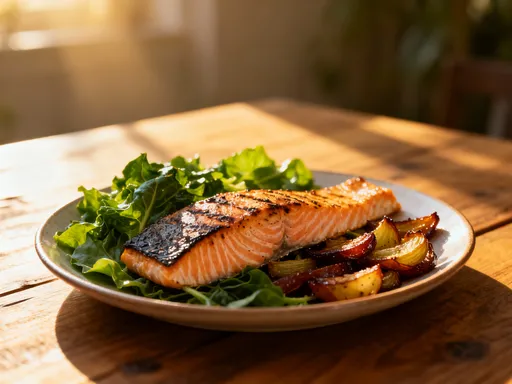
Dinner might consist of baked salmon, quinoa, and steamed broccoli. Salmon offers high-quality protein and supports overall nutrition, quinoa provides magnesium and some iron, and broccoli contributes calcium and fiber. The meal is balanced, flavorful, and supports multiple aspects of recovery.
In between meals, hydration remains important. Water with a slice of lemon or cucumber doesn’t provide minerals directly, but it supports circulation and kidney function, which are essential for nutrient transport and waste removal. Herbal teas like nettle or rooibos may offer small amounts of minerals and are gentle on the system.
Supplements, if used, are taken as directed—perhaps a magnesium capsule at bedtime to support sleep and muscle relaxation, or a low-dose zinc supplement during the day. These are not replacements for food, but tools to fill specific gaps. The emphasis remains on whole foods, consistency, and listening to the body’s signals.
The Bigger Picture: Nutrition as a Pillar of Healing
Mineral support is not a standalone cure, but it is a powerful component of a smarter recovery strategy. Healing is not a passive waiting game. It is an active biological process that requires energy, materials, and coordination. Nutrition provides the raw materials—minerals, vitamins, proteins, and fats—that enable every stage of repair, from reducing inflammation to rebuilding tissue.
Viewing food as medicine doesn’t mean adopting extreme diets or chasing miracle cures. It means respecting the body’s needs and giving it what it requires to function at its best. A deficiency in even one mineral can create a ripple effect, slowing progress and increasing discomfort. Addressing these gaps isn’t about perfection—it’s about support.
This approach also shifts the mindset from helplessness to empowerment. Instead of feeling stuck in recovery, a person can take meaningful, actionable steps. They can choose foods that heal, time supplements wisely, and work with professionals to make informed decisions. These choices foster a sense of control and hope.
Nutrition is not the only pillar of recovery—rest, movement, and emotional well-being are equally important—but it is a foundational one. Without proper fuel, the other efforts may fall short. By integrating mineral awareness into daily life, recovery becomes more than just surviving a setback. It becomes an opportunity to build resilience, deepen self-care, and emerge stronger.
The journey back to health is personal and often challenging. But with the right support—including attention to essential minerals—it can also be deeply rewarding. The body has an incredible capacity to heal when given the chance. The question is not whether it can recover, but whether it has everything it needs to do so. The answer often lies in the details—what we eat, how we nourish ourselves, and the choices we make every day.