What I Learned About Protecting My Joints Through Food—And Why It Changed Everything
Joint discomfort used to slow me down—until I started paying attention to what I ate. Turns out, the right food combinations don’t just fuel your body; they actively support joint health. I’m not a doctor, but after testing small dietary changes and seeing real improvements, I had to share what worked. This is a science-backed look at how everyday meals can become powerful allies in protecting your joints—naturally and effectively.
The Hidden Link Between Diet and Joint Health
Many people assume joint discomfort is simply a sign of aging or overuse. While time and physical activity do play roles, growing evidence shows that what you eat significantly influences how your joints feel and function. The core connection lies in inflammation—a natural immune response that, when chronic, can damage joint tissues over time. Unlike acute inflammation, which helps the body heal from injury, chronic inflammation operates quietly, often without obvious symptoms, yet contributes to stiffness, swelling, and long-term joint degradation. This silent process can be fueled or calmed by dietary choices.
Nutrition affects joint health through biochemical pathways that regulate inflammation and tissue repair. For example, certain fats trigger the production of pro-inflammatory compounds, while others help produce molecules that resolve inflammation. This is where the concept of food synergy becomes powerful. It’s not just about eating isolated ‘superfoods’—it’s about how nutrients work together. When combined thoughtfully, foods can enhance each other’s benefits. Turmeric, for instance, contains curcumin, a compound with strong anti-inflammatory properties, but its absorption increases dramatically when paired with black pepper. Alone, it offers modest benefits; combined, it becomes far more effective.
Recognizing early signs of joint stress can prompt timely dietary adjustments. Morning stiffness that lasts more than 30 minutes, difficulty climbing stairs, or a dull ache after gardening or walking are not just inconveniences—they are signals. These subtle symptoms often appear years before clinical diagnoses like osteoarthritis. By responding early with nutritional strategies, many women in their 30s to 50s can slow joint wear and maintain mobility. The key is awareness: understanding that food is not just for energy, but a daily tool for tissue support.
Why Joint Protection Starts on Your Plate
Your joints are dynamic structures, constantly renewing cartilage, producing synovial fluid, and repairing connective tissues. These processes depend heavily on nutrient availability. Cartilage, the cushion between bones, lacks blood vessels and relies on surrounding fluids for nourishment. This makes consistent nutrient delivery through diet essential. Synovial fluid, which lubricates joints, is influenced by hydration and the presence of specific compounds like hyaluronic acid, which the body can produce more of when supplied with adequate vitamins and minerals.
Antioxidants play a crucial role in protecting joint tissues from oxidative stress, a byproduct of normal metabolism that accelerates with age and poor diet. Found abundantly in colorful fruits and vegetables, antioxidants such as vitamin C, vitamin E, and flavonoids neutralize free radicals—unstable molecules that damage cells. Omega-3 fatty acids, primarily from fatty fish and certain plant sources, are equally vital. They serve as building blocks for resolvins and protectins, specialized compounds that actively turn off inflammation. Unlike pain relievers that mask symptoms, omega-3s address the root cause by modulating the body’s inflammatory response.
Polyphenols, a diverse group of plant compounds, further enhance joint resilience. Found in berries, green tea, dark chocolate, and olives, they reduce the activity of enzymes that break down cartilage. Crucially, these nutrients do not work in isolation. Their effectiveness multiplies when consumed together in whole foods. For example, vitamin C boosts collagen synthesis, but collagen production also requires zinc and copper, found in nuts and legumes. A varied, balanced diet ensures these co-factors are present.
Prevention is far more effective than intervention when it comes to joint health. Once cartilage erodes significantly, it cannot regenerate easily. However, early dietary habits can delay or even prevent this decline. Women in midlife, especially those with active lifestyles or family histories of joint issues, benefit most from proactive nutrition. The choices made today—what’s on the plate at breakfast, lunch, and dinner—lay the foundation for how well joints will function a decade from now.
Top Food Pairs That Fight Joint Inflammation
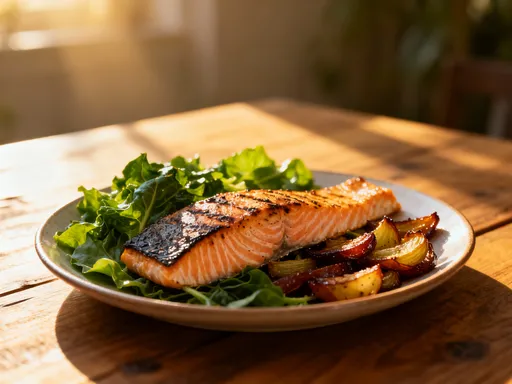
Science supports specific food combinations that enhance anti-inflammatory effects. These pairs work by improving nutrient absorption, increasing bioavailability, or creating synergistic biological actions. Incorporating them into daily meals is both practical and impactful. One of the most effective combinations is fatty fish and turmeric. Fatty fish like salmon, mackerel, and sardines are rich in EPA and DHA, two types of omega-3 fatty acids proven to reduce joint pain and stiffness. When served with a sprinkle of turmeric—and a dash of black pepper—the anti-inflammatory effect deepens. Curcumin in turmeric inhibits NF-kB, a protein complex that triggers inflammation, while omega-3s reduce the production of inflammatory cytokines. Together, they target multiple pathways, offering broader protection.
Another powerful pair is berries and nuts. Berries, especially blueberries and strawberries, are loaded with anthocyanins, antioxidants that give them their deep color and help reduce oxidative stress in joint tissues. Nuts like walnuts and almonds provide vitamin E and healthy fats, including alpha-linolenic acid, a plant-based omega-3. The fat in nuts also aids in the absorption of fat-soluble antioxidants from berries. A simple snack of mixed berries with a handful of walnuts delivers a concentrated dose of joint-supportive compounds. Studies suggest that regular consumption of this combination is linked to lower levels of C-reactive protein, a marker of systemic inflammation.
Spinach and olive oil form a third beneficial pairing. Spinach is rich in vitamin K, magnesium, and lutein, all of which support connective tissue health. However, many of these nutrients are fat-soluble, meaning they are better absorbed when consumed with healthy fats. Extra virgin olive oil, a cornerstone of the Mediterranean diet, contains oleocanthal, a compound with effects similar to ibuprofen. Drizzling olive oil over a spinach salad not only enhances flavor but significantly increases the uptake of protective nutrients. Adding a few pumpkin or sunflower seeds boosts magnesium and zinc intake, further supporting cartilage maintenance.
A fourth effective combination is tomatoes and avocado. Tomatoes are one of the best dietary sources of lycopene, a potent antioxidant that has been associated with reduced joint inflammation, particularly in observational studies of women with rheumatoid arthritis. Lycopene is fat-soluble, so its absorption improves dramatically when eaten with healthy fats. Avocado provides monounsaturated fats and enhances the bioavailability of lycopene by up to fourfold. A simple tomato and avocado salad, dressed with lemon juice and olive oil, becomes a joint-protective meal. This combination also supports skin and cardiovascular health, offering multiple benefits in one dish.
Foods That Undermine Joint Health—And How to Avoid Them
Just as certain foods protect joints, others can accelerate damage by promoting inflammation and metabolic imbalance. Refined sugars are among the most harmful. Found in sugary drinks, desserts, and many processed foods, they cause rapid spikes in blood glucose, leading to the formation of advanced glycation end products (AGEs). These compounds accumulate in joint tissues, making collagen stiff and less resilient. Over time, this contributes to cartilage brittleness and reduced flexibility. Even moderate daily intake of added sugars—such as in flavored yogurts or breakfast cereals—can have cumulative effects.
Processed meats like sausages, bacon, and deli meats are another major concern. They are high in advanced lipoxidation end products (ALEs), which trigger inflammatory responses, and often contain sodium nitrite, a preservative linked to increased oxidative stress. Research shows that frequent consumption of processed meats is associated with higher levels of joint discomfort and a greater risk of inflammatory arthritis. The saturated fats in these meats also promote the production of pro-inflammatory cytokines, worsening joint swelling and stiffness.
Trans fats, though increasingly regulated, still appear in some margarines, fried foods, and packaged snacks. These artificially modified fats disrupt cell membrane integrity and increase levels of C-reactive protein and interleukin-6, both markers of systemic inflammation. Even small amounts—less than 2% of daily calories—can negatively affect joint health over time. Reading labels is essential, as trans fats may be listed as “partially hydrogenated oils.” Choosing whole, unprocessed foods is the most reliable way to avoid them.
Simple swaps can significantly reduce dietary damage. Replacing white bread with whole grain alternatives increases fiber intake and stabilizes blood sugar, reducing AGE formation. Choosing grilled chicken or legumes instead of processed meats cuts exposure to harmful additives. Using natural fats like olive oil or avocado oil instead of margarine eliminates trans fat risks. These changes do not require a complete diet overhaul—small, consistent choices add up. Over time, eliminating pro-inflammatory foods creates space for more nutrient-dense options, naturally shifting eating patterns toward joint support.
Building a Joint-Supportive Eating Pattern (Not a Diet)
Sustainable joint health comes not from short-term diets but from long-term eating patterns. The Mediterranean diet, extensively studied for its anti-inflammatory effects, offers an ideal framework. It emphasizes whole grains, vegetables, fruits, legumes, nuts, olive oil, and moderate fish and poultry, with limited red and processed meats. This pattern naturally includes the beneficial food pairs discussed earlier and minimizes pro-inflammatory ingredients. Adopting it does not require exotic ingredients or complicated recipes—just a shift in daily habits.
A sample day on a joint-supportive eating pattern might begin with oatmeal topped with blueberries, chia seeds, and a sprinkle of walnuts. The oats provide fiber, the berries offer antioxidants, and the nuts contribute healthy fats and vitamin E. Lunch could be a large salad with spinach, tomatoes, cucumbers, chickpeas, olives, and grilled salmon, dressed with olive oil and lemon. This meal delivers a broad spectrum of joint-protective nutrients in a single dish. Dinner might include roasted vegetables with quinoa and baked trout, providing omega-3s, magnesium, and plant-based protein.
Variety and color on the plate are strong indicators of nutritional quality. Different colored vegetables contain unique phytonutrients—red peppers have capsaicin, purple cabbage has anthocyanins, and orange carrots have beta-carotene. Eating across the color spectrum ensures a wide range of protective compounds. Balance is equally important: each meal should include a source of protein, healthy fat, and complex carbohydrates to stabilize energy and support tissue repair.
Consistency matters more than perfection. Occasional indulgences are normal and do not negate long-term benefits. What counts is the overall pattern. Eating joint-supportive foods most of the time allows the body to maintain a low-inflammatory state. Frequent, moderate intake of nutrient-rich meals is more effective than occasional “superfood” binges. This approach is not about restriction—it’s about empowerment, giving the body the tools it needs to stay resilient.
Beyond Nutrition: Lifestyle Factors That Amplify Results
Nutrition works best when combined with other healthy lifestyle habits. Hydration is fundamental—joints depend on water-rich synovial fluid for smooth movement. Even mild dehydration can reduce lubrication and increase friction. Drinking water throughout the day, especially with meals, supports nutrient transport and tissue hydration. Herbal teas and water-rich foods like cucumbers and melons also contribute to fluid balance.
Sleep is another pillar of joint health. During deep sleep, the body repairs tissues and regulates inflammatory hormones like cortisol. Chronic sleep deprivation disrupts this balance, leading to elevated inflammation and increased pain sensitivity. Aim for seven to eight hours of quality sleep nightly. Establishing a regular bedtime, limiting screen time before bed, and creating a calm sleep environment can improve rest and, by extension, joint comfort.
Gentle movement plays a crucial role. Activities like walking, swimming, yoga, and tai chi maintain joint flexibility and strengthen supporting muscles without causing wear. Movement also stimulates circulation, helping deliver nutrients to joint tissues and remove waste products. Even 20 to 30 minutes a day can make a difference. The key is consistency and low impact—choosing activities that feel good rather than pushing through pain.
Stress management is often overlooked but deeply connected to inflammation. Chronic stress activates the sympathetic nervous system, increasing cortisol and pro-inflammatory cytokines. Techniques like deep breathing, meditation, and spending time in nature can lower stress hormones and support immune balance. When stress is managed, the body is better able to maintain joint health, even in the face of other challenges. These lifestyle factors do not replace nutrition—they enhance it, creating a holistic system of support.
When to Seek Professional Guidance
While diet and lifestyle changes can significantly improve joint comfort, they are not substitutes for medical care. If joint symptoms persist—such as swelling that lasts more than a few days, difficulty moving, or pain that interferes with daily activities—it is important to consult a healthcare provider. These signs may indicate underlying conditions like rheumatoid arthritis, gout, or significant cartilage damage, which require professional diagnosis and treatment.
Healthcare providers can offer personalized strategies, including blood tests to assess inflammation markers, imaging to evaluate joint structure, and tailored recommendations for supplements or medications. In some cases, physical therapy or other interventions may be necessary. Working with a registered dietitian can also help create a customized eating plan that aligns with medical needs and personal preferences. Collaboration ensures that dietary efforts are safe, effective, and integrated with overall health goals.
It is also wise to consult a doctor before making major dietary changes, especially if managing chronic conditions or taking medications. For example, high intake of vitamin K from leafy greens can interfere with blood thinners, and omega-3 supplements may affect bleeding time. Professional guidance helps navigate these interactions and ensures that joint-supportive choices enhance, rather than complicate, health.
Protecting your joints isn’t about drastic overhauls or miracle fixes—it’s about making informed, consistent choices. The food you eat can either fuel inflammation or calm it. By choosing smart combinations and building balanced habits, you empower your body to maintain mobility and comfort for years to come. This isn’t a quick fix; it’s a lifelong investment in moving well.