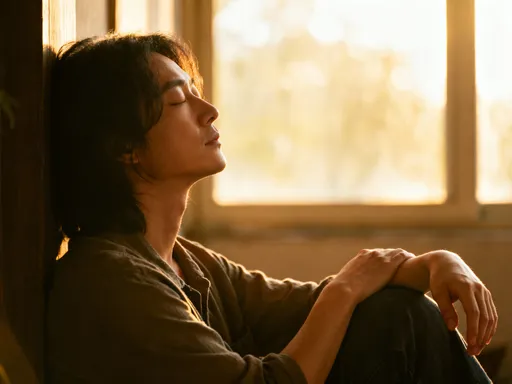
Why I Swear by Morning Qigong for Lasting Energy and Calm
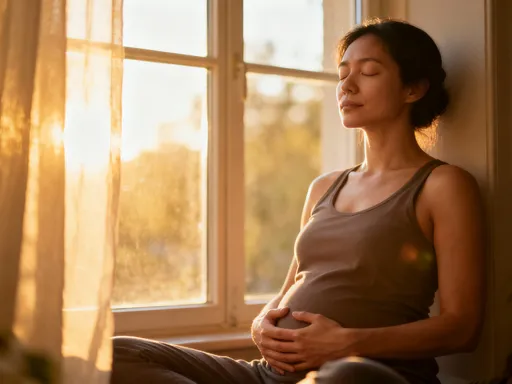
For years, I struggled with low energy and constant stress—until I discovered qigong. Not the flashy kind, but simple, daily movements that quietly transformed my well-being. It wasn’t instant, but over time, I felt more grounded, focused, and alive. This is why health awareness starts not with drastic changes, but with small, mindful practices. Qigong taught me that true wellness begins within. What began as a quiet experiment in the corner of my living room gradually became the anchor of my day. It didn’t demand expensive equipment or hours of time. Instead, it offered something more valuable: presence. In a world that celebrates busyness, this gentle practice taught me how to slow down, listen to my body, and reclaim a sense of inner balance that no caffeine or power nap could provide.
The Burnout That Changed Everything
Modern life moves fast, and for many women between 30 and 55, the pace is relentless. Between managing households, careers, and family needs, personal well-being often becomes an afterthought. The signs of burnout are subtle at first—waking up tired despite a full night’s sleep, feeling irritable over small things, struggling to focus during the day. These are not just inconveniences; they are signals from the body that something is out of balance. Chronic fatigue, mental fog, and emotional instability are not normal conditions of adulthood, yet so many accept them as inevitable.
Consider a typical morning: waking to an alarm after restless sleep, rushing to prepare children for school, checking work emails before breakfast, and already feeling behind before the day has truly begun. By midday, energy crashes, and the afternoon is powered by coffee and sheer willpower. Evening brings a sense of exhaustion, but sleep remains elusive due to a racing mind. This cycle repeats, week after week. Over time, the body adapts to this state of constant stress, but adaptation is not health. It is survival mode—where cortisol levels remain elevated, digestion slows, and immune function weakens.
The turning point often comes not with a dramatic event, but with a quiet realization: “I can’t keep living like this.” For many, this moment arrives after a doctor’s visit reveals elevated blood pressure, persistent headaches, or unexplained weight gain. Others notice it in their relationships—shorter tempers, less patience, a growing sense of detachment. The body and mind are sending the same message: they need care. This awareness is the first step toward change. It is also the doorway through which practices like qigong can enter—not as a cure, but as a daily act of restoration. Unlike intense workouts or strict diets, qigong does not ask for more effort. It asks only for attention, for a few quiet minutes to reconnect with the self.
What Exactly Is Qigong? (And Why It’s Not Just “Slow Exercise”)
Qigong (pronounced “chee-gong”) is a centuries-old practice rooted in traditional Chinese medicine. At its core, it is the cultivation of qi—the vital energy believed to flow through all living things. The word itself combines “qi” (energy) and “gong” (practice or skill), meaning “energy practice.” Unlike high-intensity fitness routines, qigong emphasizes slow, deliberate movements coordinated with deep, rhythmic breathing and focused intention. It is not about building muscle or burning calories; it is about restoring harmony within the body’s internal systems.
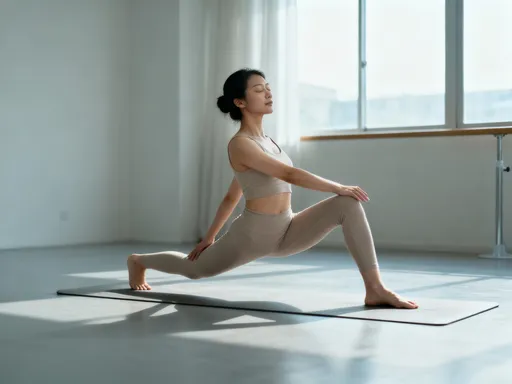
While often grouped with yoga or tai chi, qigong stands apart in its simplicity and accessibility. Tai chi is a martial art with complex forms, and yoga often requires flexibility and strength. Qigong, by contrast, can be practiced by anyone, regardless of age, fitness level, or physical condition. Many exercises are done standing or even seated, making them suitable for those with joint issues or limited mobility. The movements are gentle—lifting the arms, shifting weight, turning the torso—but each is performed with mindfulness, creating a moving meditation.
The philosophy behind qigong is that health depends on the smooth, unobstructed flow of qi through the body’s meridians, or energy pathways. When this flow is disrupted—by stress, poor posture, or emotional strain—discomfort and illness can follow. Qigong aims to clear these blockages and strengthen the body’s natural ability to self-regulate. This is not mystical thinking; it aligns with modern understanding of the mind-body connection. For example, the way we breathe directly affects the nervous system, and our posture influences circulation and organ function. Qigong works at this intersection, using simple physical actions to create profound internal shifts.
What makes qigong especially valuable for busy women is its efficiency. A full session can take as little as ten minutes, yet it can leave the practitioner feeling more centered than an hour at the gym. It does not require special clothing, equipment, or a studio. All it asks is a quiet space and a willingness to slow down. In this way, qigong is not just an exercise—it is a philosophy of care, a daily reminder that health is not something we chase, but something we nurture.
The Science Behind the Stillness: How Qigong Supports the Body
While qigong originates in ancient tradition, modern science increasingly supports its benefits. Research has shown that regular practice can lead to measurable improvements in both physical and mental health. One of the most consistent findings is its effect on the stress hormone cortisol. Elevated cortisol over time is linked to weight gain, sleep disturbances, and weakened immunity. Studies have demonstrated that qigong practitioners experience significant reductions in cortisol levels, suggesting a calming effect on the nervous system.
This calming effect is largely due to the activation of the parasympathetic nervous system—the body’s “rest and digest” mode. Unlike intense exercise, which activates the sympathetic (“fight or flight”) system, qigong encourages relaxation through slow movement and diaphragmatic breathing. When practiced regularly, this shift helps reset the body’s stress response, making it easier to stay calm under pressure. Over time, this can lead to improved emotional regulation, fewer anxiety symptoms, and a greater sense of well-being.
Cardiovascular health also benefits from qigong. Clinical trials have found that participants who practice qigong regularly show modest but meaningful reductions in blood pressure. This is likely due to improved circulation, reduced vascular resistance, and better heart rate variability—a marker of cardiovascular resilience. For women entering perimenopause and menopause, when blood pressure often rises, this gentle practice offers a non-pharmacological way to support heart health.
Sleep quality is another area where qigong shows promise. Many women in midlife struggle with insomnia or fragmented sleep, often due to hormonal changes and stress. Research indicates that qigong can improve sleep duration and quality by reducing nighttime arousal and promoting relaxation. The practice helps quiet the mind, making it easier to transition into restful sleep. Unlike sleep medications, which can cause dependency, qigong supports natural sleep cycles without side effects.
Immune function is also positively influenced. While no single practice can prevent illness, studies suggest that qigong may enhance immune response by reducing inflammation and increasing the activity of natural killer cells—key players in the body’s defense against viruses and abnormal cells. This does not mean qigong replaces vaccines or medical care, but it can be a valuable part of a holistic health strategy.
It is important to note that these benefits are cumulative. Unlike a pain reliever that works in minutes, qigong’s effects build over time. There is no quick fix, but rather a gradual restoration of balance. This is not a weakness of the practice—it is its strength. It teaches patience, consistency, and trust in the body’s innate wisdom.
My First 7 Days: What Actually Happened
Starting qigong felt awkward at first. Standing still and moving slowly seemed almost too simple to be effective. On day one, I followed a basic routine: standing quietly, arms slightly raised, focusing on my breath. My mind wandered constantly—planning dinner, remembering forgotten tasks. I felt self-conscious, as if someone might walk in and laugh. But I committed to just ten minutes, and to my surprise, the time passed quickly.
By day three, I began to notice small changes. My breathing felt deeper, as if I were using more of my lungs. I wasn’t forcing it; the rhythm of the movements naturally encouraged longer inhales and exhales. In the morning, I woke with slightly less grogginess. I still reached for coffee, but the mental fog that usually clung to me by mid-morning seemed thinner.
Day five brought a moment of clarity. I was in the grocery store, and someone cut in front of me in line. Normally, I would have felt a surge of irritation, maybe even muttered something under my breath. This time, I noticed the impulse to react—but instead of acting on it, I took a slow breath, softened my shoulders, and let it go. It wasn’t a grand moment, but it felt significant. For the first time in years, I had paused before reacting.
By the end of the week, I wasn’t transformed. I didn’t feel euphoric or magically energized. But I did feel more present. I caught myself standing taller, breathing more fully, even when not practicing. I started noticing tension in my body—tight shoulders, clenched jaw—and was able to release it with a simple breath. The practice wasn’t changing my life overnight, but it was changing how I moved through it. I wasn’t doing qigong to fix anything; I was doing it to feel more like myself.
This early experience taught me that progress in qigong is not measured in dramatic shifts, but in subtle awareness. It’s not about how high you lift your arms, but how clearly you feel the energy moving through them. It’s not about perfection, but presence. And for someone used to measuring success by productivity, this was a radical idea: that simply being still could be an act of strength.
Breaking It Down: A Simple 10-Minute Routine You Can Start Today
One of the most powerful aspects of qigong is its simplicity. You don’t need years of training to benefit. A basic routine can be learned in minutes and practiced anywhere. Here is a beginner-friendly sequence designed to cultivate energy, improve focus, and promote relaxation. Each movement takes about three minutes, totaling a ten-minute practice.
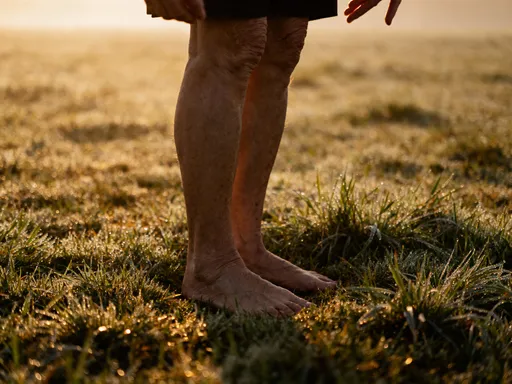
The first exercise is **Standing Like a Tree (Zhan Zhuang)**. Stand with feet shoulder-width apart, knees slightly bent, spine straight but not rigid. Let your arms float up to chest level, as if cradling a large ball. Palms face inward, fingers relaxed. Close your eyes or soften your gaze. Breathe slowly and deeply into your lower abdomen. The goal is not to do anything, but to be present—to feel your feet on the ground, your breath moving in and out. This posture builds stability, calms the mind, and enhances body awareness. Practice for three minutes.
Next is **Lifting the Sky**. Begin with hands at your sides. Inhale as you slowly raise your arms in front of you, palms up, lifting them overhead as if raising an invisible weight. At the top of the motion, turn your palms to face the sky. Exhale as you lower your arms back down, palms turning to face the floor. Repeat for three minutes. This movement stimulates the body’s central energy channel and encourages full lung expansion. It also gently stretches the spine and shoulders, counteracting the effects of sitting and screen use.
Finally, **Wave Hands Like Clouds**. Stand with feet shoulder-width apart. Shift your weight to the left leg as your right hand moves across your body, palm facing down. At the same time, your left hand rises, palm facing up. Shift your weight to the right leg and reverse the motion, as if gently parting clouds. Keep the movements smooth and continuous, coordinated with your breath. This exercise promotes balance, coordination, and mental fluidity. It also engages the waist and hips, areas often neglected in daily life.
Practice this routine in the morning to set a calm tone for the day, or in the evening to unwind. Pair it with a habit you already have—after brushing your teeth, before making coffee, or right after hanging up your coat when you come home. Consistency matters more than duration. Even five minutes a day can make a difference. Over time, you may find yourself craving these quiet moments, not as a chore, but as a gift to yourself.
Common Misconceptions That Keep People Away
Despite its benefits, many people hesitate to try qigong. One common belief is that it is “too slow” to be effective. In a culture that values speed and intensity, slow movement can seem pointless. But this misunderstanding overlooks the power of subtlety. Just as a gentle stream can carve a canyon over time, small, consistent actions can lead to significant change. Qigong works not through force, but through repetition and awareness. Its effects are not always immediate, but they are deep and lasting.
Another misconception is that “if I don’t feel anything, it’s not working.” Many beginners expect dramatic sensations—heat, tingling, a rush of energy. While some do experience these, others feel nothing at first. This does not mean the practice is ineffective. The body responds in its own time. Sometimes the first sign of progress is simply noticing that you remembered to practice, or that you took a deeper breath during a stressful moment. These quiet victories are real.
Some also worry that qigong is too spiritual or religious. While it has roots in Chinese philosophy, modern qigong is widely practiced in secular settings—hospitals, community centers, and corporate wellness programs. It does not require belief in qi or any specific worldview. You can approach it simply as a form of mindful movement, like stretching with attention. The focus is on function, not faith.
Perhaps the biggest barrier is the belief that “I don’t have time.” But qigong is designed for real life. Ten minutes is less than the time spent scrolling on a phone or waiting for the kettle to boil. It does not require changing clothes or driving to a gym. It can be done in pajamas, in a small space, even with children nearby. The key is to start small and be kind to yourself. Missing a day is not failure; it is part of the process. What matters is returning to the practice, again and again.
Making Qigong a Lifestyle—Not Just a Practice
The true power of qigong reveals itself not during the practice, but in the moments between. Over time, the awareness cultivated on the mat begins to spill into daily life. You might catch yourself slouching at the kitchen counter and gently straighten your spine. You might notice tension in your jaw while driving and consciously relax it. You might take a deep breath before responding to a difficult email. These small acts of mindfulness are the real transformation.
Making qigong a lifestyle means integrating its principles beyond the ten-minute routine. It means valuing stillness as much as activity, listening to the body as much as pushing through. It means understanding that health is not a destination, but a daily practice of attention and care. This shift doesn’t happen overnight. It grows from consistency, from showing up even when you don’t feel like it, from honoring your body’s need for balance.
To sustain the habit, consider tracking subtle changes in a journal. Note improvements in sleep, mood, or energy levels. Use gentle reminders—phone alerts, sticky notes, or a dedicated corner in your home. Some find support in online communities or local classes, where shared experience reinforces commitment. Apps with guided qigong sessions can also help, especially for beginners who benefit from structure.
Most importantly, let go of perfection. Some days, your mind will race. Some days, you’ll skip the practice entirely. This is normal. Qigong is not about achieving a flawless state; it is about returning to yourself, again and again. In doing so, it becomes more than a routine—it becomes a relationship with your body, a daily promise of care in a world that rarely slows down.
Qigong isn’t about fixing one symptom—it’s about rewiring how we relate to our bodies and minds. The real transformation isn’t in the movements, but in the daily choice to pause, breathe, and reconnect. In a world that glorifies speed, choosing stillness might be the most powerful act of health awareness we can make.