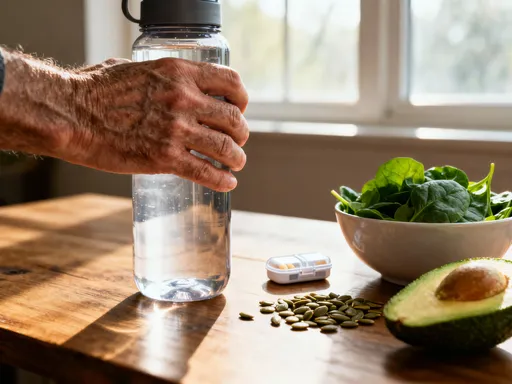
Youth on Repeat: How I Retrained My Body to Age Differently
Aging doesn’t have to mean decline. After noticing early signs of fatigue, dull skin, and slower recovery, I dug into science-backed habits that target aging at the root. What I discovered wasn’t a miracle cure, but a shift in daily choices—simple, consistent, and surprisingly powerful. This is about redefining how we age, one healthy habit at a time. The body is not a machine that simply wears out; it’s a dynamic system that responds to how we treat it. With the right inputs, we can support its natural ability to repair, renew, and thrive—even as the calendar turns.
The Wake-Up Call: Recognizing Early Signs of Aging
It started subtly. A slight stiffness in the morning that used to vanish after a few steps now lingered through the first cup of tea. Afternoon energy dips grew longer and harder to shake. Mirrors reflected fine lines that hadn’t been there five years prior, and skin that once bounced back after a late night now looked tired even after eight hours of sleep. These weren’t dramatic changes, but together, they formed a quiet but persistent message: the body was shifting. For many women between 30 and 55, this is a familiar story. The pace of life—managing households, careers, family needs—often leaves little room to pause and listen. Yet these early signals are not just cosmetic or inconvenient; they are biological feedback.
What makes this stage of life especially pivotal is that it sits at the threshold of accelerated biological change. Hormonal fluctuations, slower metabolism, and decreased cellular repair mechanisms begin to emerge, often in ways that are easy to dismiss as “just getting older.” But science now shows that aging is not a one-way decline dictated solely by time. Instead, it’s a process influenced significantly by lifestyle choices. The way we eat, move, sleep, and manage stress can either support or undermine our body’s resilience. Recognizing the early signs isn’t about fear or vanity—it’s about awareness. It’s the first step in shifting from passive aging to active longevity.
Many women report feeling as though their bodies have “changed the rules” without warning. But in truth, the body has been sending signals all along. Joint stiffness may point to inflammation. Persistent fatigue can reflect mitochondrial inefficiency. Slower recovery from minor illnesses suggests a weakened immune response. These are not isolated issues; they are interconnected markers of biological aging. By paying attention early, it becomes possible to intervene with meaningful, sustainable changes. The goal is not to stop time, but to age with greater strength, clarity, and vitality—qualities that matter deeply in the roles so many women fulfill every day.
What Is “Biological Age” and Why It Matters More Than Calendar Years
Chronological age is fixed—the number of years since birth. But biological age is different. It reflects how well the body’s cells, organs, and systems are functioning. Two women can be 45 years old on paper, yet one may have the cardiovascular health, energy levels, and cellular function of a 38-year-old, while the other’s body behaves more like that of a 55-year-old. This gap is not just theoretical; it has real consequences for how we feel, how resilient we are to illness, and how long we remain active and independent.
Biological age is shaped by a combination of genetic predisposition and lifestyle factors, with the latter playing a surprisingly large role. Research from institutions like the Buck Institute for Research on Aging and the Mayo Clinic has shown that behaviors such as sleep quality, physical activity, nutrition, and stress management directly influence cellular aging. One key player is the telomere—the protective cap at the end of each chromosome. Every time a cell divides, telomeres shorten. When they become too short, the cell can no longer divide and may enter a state of senescence, contributing to inflammation and tissue decline. Studies have found that individuals with healthier lifestyles tend to have longer telomeres, suggesting a slower rate of cellular aging.
Inflammation is another critical factor. Chronic, low-grade inflammation—often called “inflammaging”—is linked to nearly every age-related condition, from joint pain to cognitive decline. It is fueled by poor diet, lack of movement, and prolonged stress. At the same time, metabolic health—how well the body processes energy and regulates blood sugar—plays a foundational role. Insulin resistance, even in its early stages, can accelerate biological aging by promoting fat storage, oxidative stress, and hormonal imbalance. The good news is that these processes are modifiable. Unlike chronological age, biological age can improve. With consistent, science-aligned habits, it’s possible to lower one’s biological age and enhance overall vitality.
The Power of Consistency: Small Habits with Big Long-Term Impact
Transformation doesn’t require dramatic overhauls. The most powerful changes come from small, repeatable actions performed consistently over time. Think of these habits as compound interest for the body—small deposits made daily that grow into significant returns over years. One of the most accessible and impactful practices is morning sunlight exposure. Just 10 to 15 minutes of natural light upon waking helps regulate the circadian rhythm, the body’s internal clock that governs sleep, hormone release, and metabolism. This simple act signals the brain to suppress melatonin and boost cortisol in a healthy, gradual way, setting the tone for alertness and energy throughout the day.
Hydration is another cornerstone habit, yet it’s often overlooked. The body is about 60% water, and every system depends on it. Dehydration—even mild—can impair cognitive function, reduce physical performance, and contribute to fatigue. Instead of relying on a single large intake, a more effective approach is rhythmic hydration: drinking water at regular intervals, starting with a glass upon waking and continuing throughout the day. Adding a pinch of high-quality salt can enhance electrolyte balance, supporting cellular function and reducing bloating. This isn’t about rigid rules, but about creating a rhythm that the body can rely on.
Movement snacks—short bursts of physical activity scattered through the day—are another powerful tool. A two-minute stretch every hour, a flight of stairs taken at lunch, or a five-minute walk after dinner all add up. These micro-movements improve circulation, reduce stiffness, and keep metabolism active. Unlike intense workouts that can feel daunting or unsustainable, movement snacks fit seamlessly into a busy schedule. Over time, they contribute to better joint health, improved mood, and greater stamina. The key is consistency, not intensity. It’s not about how hard you move, but how often you move. These small habits, when repeated daily, create a foundation of resilience that supports graceful aging.
Fueling Longevity: Simple Swaps for Cellular Health
Nutrition is one of the most direct ways to influence biological aging. Rather than focusing on restrictive diets or trendy superfoods, the goal is sustainable, whole-food eating that supports cellular repair and reduces damage. The foundation of an age-supportive diet is variety—especially plant diversity. Each color in fruits and vegetables represents different phytonutrients, compounds that protect cells from oxidative stress. A plate rich in greens, reds, purples, and yellows provides a broad spectrum of antioxidants, which neutralize free radicals and reduce inflammation.
Fiber is another essential component, yet most women don’t consume enough. Found in vegetables, legumes, whole grains, and nuts, fiber supports gut health, which is increasingly recognized as central to overall well-being. A healthy gut microbiome helps regulate inflammation, produce certain vitamins, and support immune function. Additionally, fiber slows the absorption of sugar, preventing blood glucose spikes that contribute to insulin resistance and cellular aging. Simple swaps—like choosing steel-cut oats over refined cereal, or adding lentils to soups—can significantly increase daily fiber intake without drastic changes.
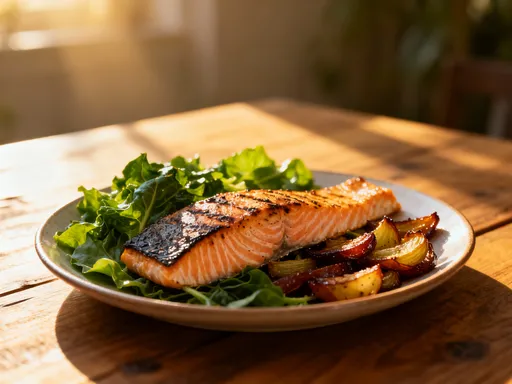
Healthy fats also play a crucial role. Omega-3 fatty acids, found in fatty fish, walnuts, and flaxseeds, support brain health, reduce inflammation, and maintain cell membrane integrity. Monounsaturated fats, such as those in olive oil and avocados, support heart health and hormone balance. These fats are not just energy sources—they are structural components of every cell. Avoiding highly processed oils and minimizing added sugars further reduces oxidative stress and metabolic strain. The focus is not on labeling foods as “good” or “bad,” but on building a pattern of eating that nourishes the body at a cellular level. This approach is not about perfection, but about progress—making choices that add up to long-term vitality.
Movement That Supports Aging, Not Hurts It
Exercise should enhance life, not exhaust it. For many women, the idea of fitness is tied to high-intensity workouts or weight loss, but as we age, the focus must shift toward sustainability and function. The goal is not to push harder, but to move smarter. Three key elements form the foundation of age-supportive movement: strength, mobility, and recovery. Strength training, even with body weight, helps preserve muscle mass, which naturally declines after age 30. Muscle is not just about appearance—it’s a metabolic organ that supports blood sugar control, bone density, and balance.
Simple practices like squats, lunges, and wall push-ups can be done at home with no equipment. Doing them two to three times a week is enough to maintain strength and prevent sarcopenia, the age-related loss of muscle. Mobility work—gentle stretching, yoga, or tai chi—supports joint health and range of motion. Stiffness and discomfort often stem not from age itself, but from inactivity. Regular movement keeps connective tissues supple and reduces the risk of injury. Even five minutes of stretching in the morning or before bed can make a noticeable difference over time.
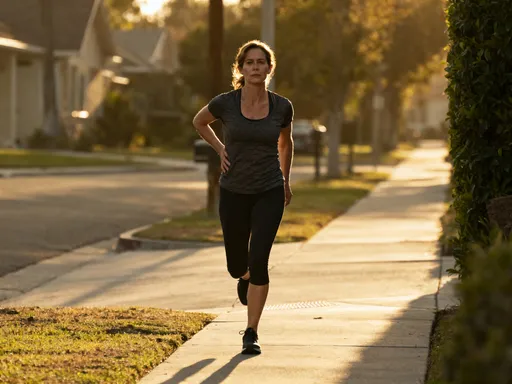
Recovery is equally important. The body repairs and rebuilds during rest, not during exercise. Overtraining can increase inflammation and cortisol levels, counteracting the benefits of movement. That’s why rest days, proper hydration, and quality sleep are essential parts of any fitness routine. Walking is perhaps the most underrated form of exercise. It’s low-impact, accessible, and deeply beneficial for cardiovascular health, mental clarity, and emotional well-being. A daily 30-minute walk, especially in nature, combines physical activity with stress reduction—a powerful synergy for longevity. The key is to make movement a natural part of life, not a chore to check off a list.
Sleep and Stress: The Silent Drivers of Aging
If there is one area that profoundly influences biological aging, it is sleep. During deep sleep, the brain clears out metabolic waste through the glymphatic system, a process essential for cognitive health. Growth hormone is released, supporting tissue repair and muscle recovery. Hormones like cortisol and insulin are rebalanced, helping regulate metabolism and inflammation. Yet, poor sleep quality—whether from stress, hormonal changes, or lifestyle habits—disrupts these processes. Even one night of disrupted sleep can elevate inflammatory markers and impair glucose metabolism.
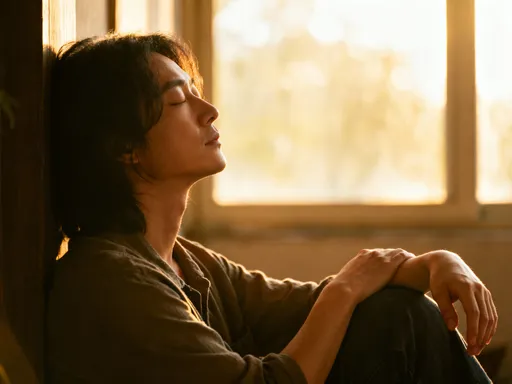
Chronic stress is equally impactful. When the body is under constant pressure, it remains in a state of heightened alert, with elevated cortisol levels. Over time, this leads to increased fat storage, particularly around the abdomen, weakened immunity, and accelerated cellular aging. For women managing multiple responsibilities, stress is often a constant companion. The solution is not to eliminate stress—which is impossible—but to build resilience through intentional recovery practices. A consistent wind-down routine signals the body that it’s safe to rest. This might include turning off screens an hour before bed, sipping herbal tea, or reading a book in soft light.
Digital detox, especially in the evening, reduces exposure to blue light, which suppresses melatonin. Mindful breathing or gentle stretching can also activate the parasympathetic nervous system, the “rest and digest” mode that counteracts stress. These practices don’t require large time commitments, but they do require consistency. Over time, they help reset the body’s stress response and improve sleep quality. Better sleep and lower stress aren’t just about feeling more rested—they’re about slowing biological aging at a fundamental level.
Tracking Progress Without Obsession: What to Measure and What to Ignore
Measuring progress is important, but not all metrics are meaningful. Obsessing over the scale or body measurements can lead to frustration and undermine long-term success. Instead, the most valuable indicators are how you feel. Do you have more energy in the afternoon? Are you recovering faster from a busy day? Is your skin clearer, your mood more stable? These subtle shifts reflect real changes in biological function. Improved sleep quality, better digestion, and increased mental clarity are all signs that the body is responding positively to new habits.
When appropriate, working with a healthcare provider to review blood work can offer objective insights. Markers such as HbA1c (average blood sugar), lipid profile, C-reactive protein (a measure of inflammation), and vitamin D levels provide a clearer picture of internal health. These tests are not about chasing perfection, but about identifying areas that may need support. For example, low vitamin D is common and can affect energy, immunity, and bone health. Addressing it with sunlight, diet, or supplementation—under medical guidance—can make a meaningful difference.
The goal is not to become a data collector, but a self-aware participant in one’s health journey. Tracking should empower, not overwhelm. Some women find value in journaling—writing down energy levels, mood, or sleep patterns—to spot trends over time. Others prefer simple observation. The key is to stay connected to the body’s feedback without becoming fixated on numbers. Sustainable change is not driven by perfection, but by consistency and self-compassion. Progress is not always linear, and that’s okay. What matters is the direction—moving toward greater vitality, resilience, and well-being.
Conclusion: Aging as an Act of Self-Care
True anti-aging is not about erasing wrinkles or chasing youth. It’s about cultivating a body and mind that can meet life’s demands with strength and grace. The habits discussed—sunlight, hydration, movement, nutrition, sleep, and stress management—are not quick fixes, but lifelong practices that compound over time. They are not about fear of aging, but about respect for the body’s intelligence and capacity to heal.
For women in their 30s, 40s, and 50s, this approach is especially empowering. It shifts the narrative from decline to agency. Every choice—to walk, to rest, to eat well—is a vote for the kind of future you want to live. Aging well is not reserved for a select few; it is available to anyone willing to make small, consistent investments in their health. This journey is not about looking younger—it’s about feeling stronger, thinking clearer, and living with greater purpose. By redefining aging as an act of self-care, we open the door to a life where age does not limit possibility, but deepens it.